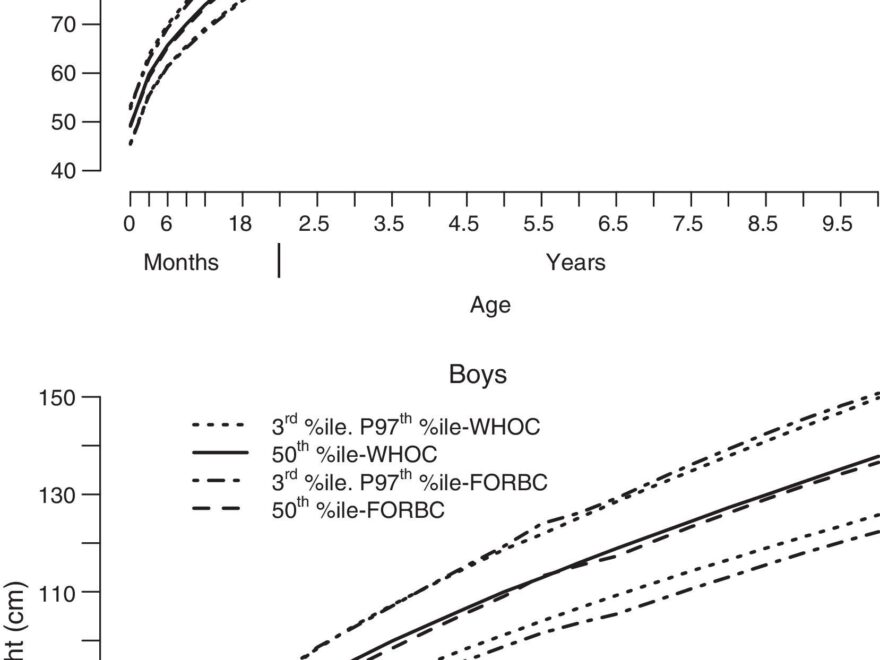
Living with neurofibromatosis can be challenging, especially for young girls who may feel overwhelmed by doctor’s appointments and medical procedures. Finding ways to track their growth and progress can help empower them and make the process a little bit easier.
Neurofibromatosis growth chart printables for girls are a fantastic tool to help track their growth and development over time. These charts can be customized to suit individual needs and preferences, making them a fun and interactive way to monitor progress.
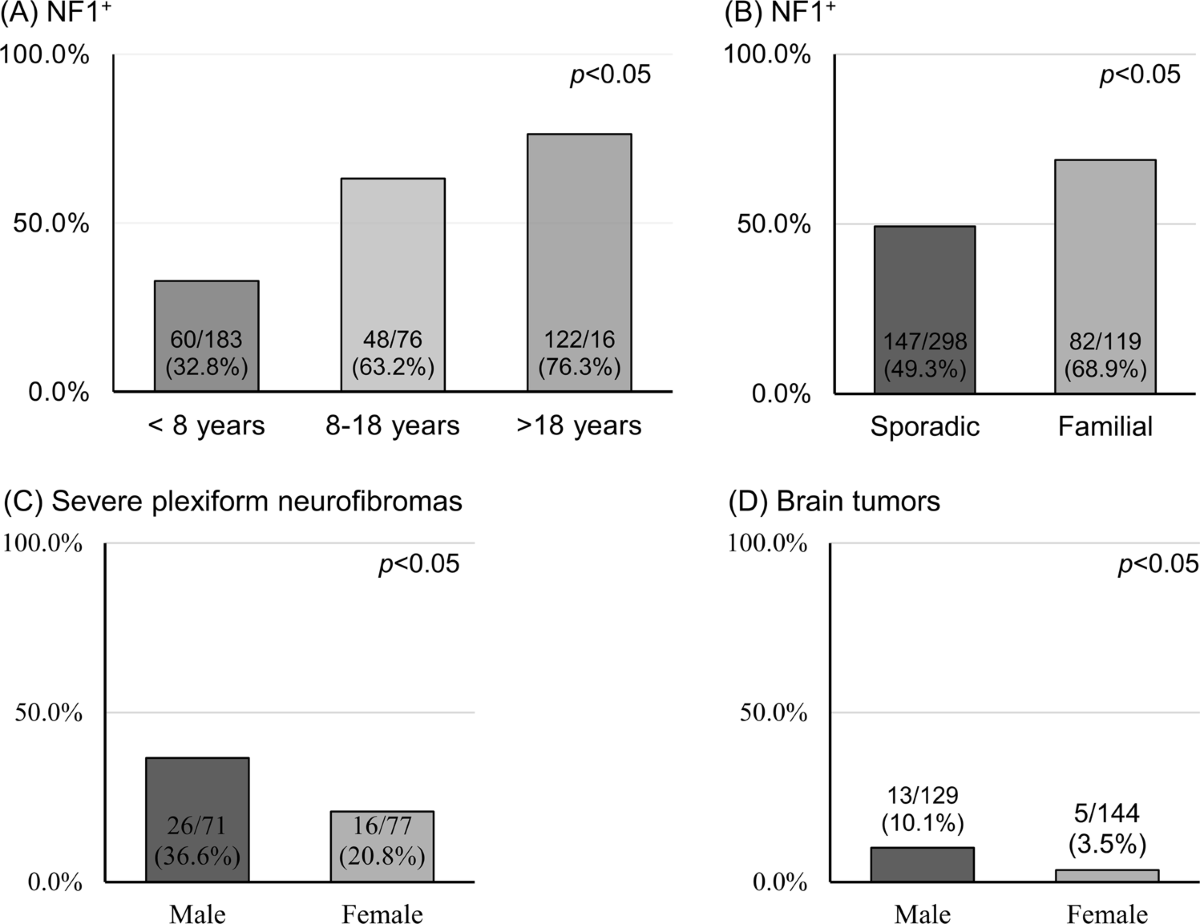
Neurofibromatosis Growth Chart Printables For Girls
Neurofibromatosis Growth Chart Printables For Girls
These growth chart printables are not only practical but also visually appealing, featuring cute designs and colors that appeal to young girls. They can be a great way to engage with the child and involve them in their own healthcare journey.
By regularly updating the growth chart, parents and healthcare providers can monitor changes in height, weight, and other important metrics. This information can help detect any potential issues early on and ensure that the child is receiving the appropriate care and support.
Additionally, these growth chart printables can serve as a source of motivation for young girls, as they can visually see their progress and accomplishments over time. This can help boost their self-esteem and confidence, making them feel more in control of their health and well-being.
Overall, neurofibromatosis growth chart printables for girls are a valuable resource for families dealing with this condition. They provide a practical and engaging way to track growth and development, while also empowering young girls to take an active role in their healthcare journey.
So, if you’re looking for a fun and interactive way to monitor your child’s growth and progress, consider using these growth chart printables. They can make a world of difference in how your child engages with their health and well-being.
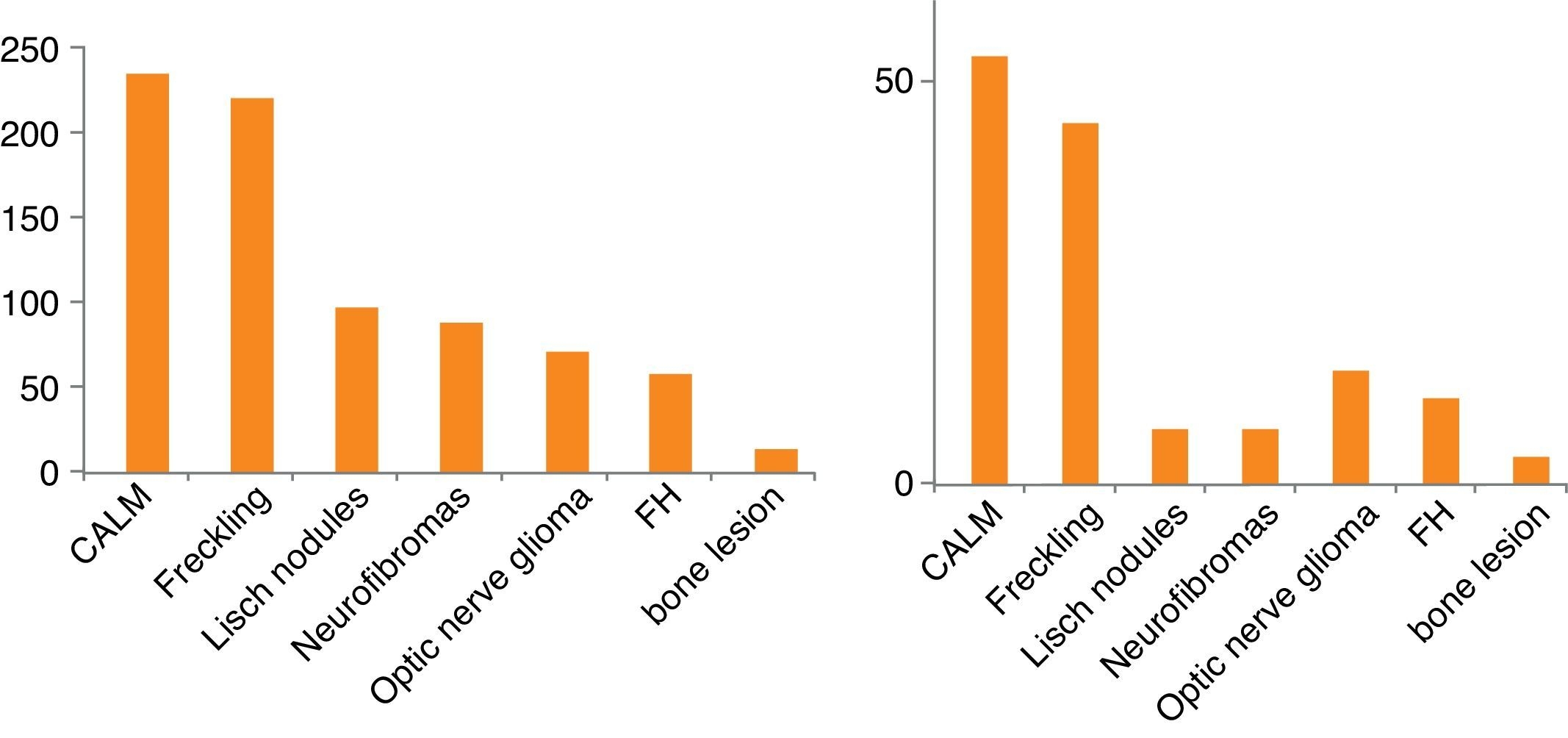
Phenotypic And Genetic Features In Neurofibromatosis Type 1 In
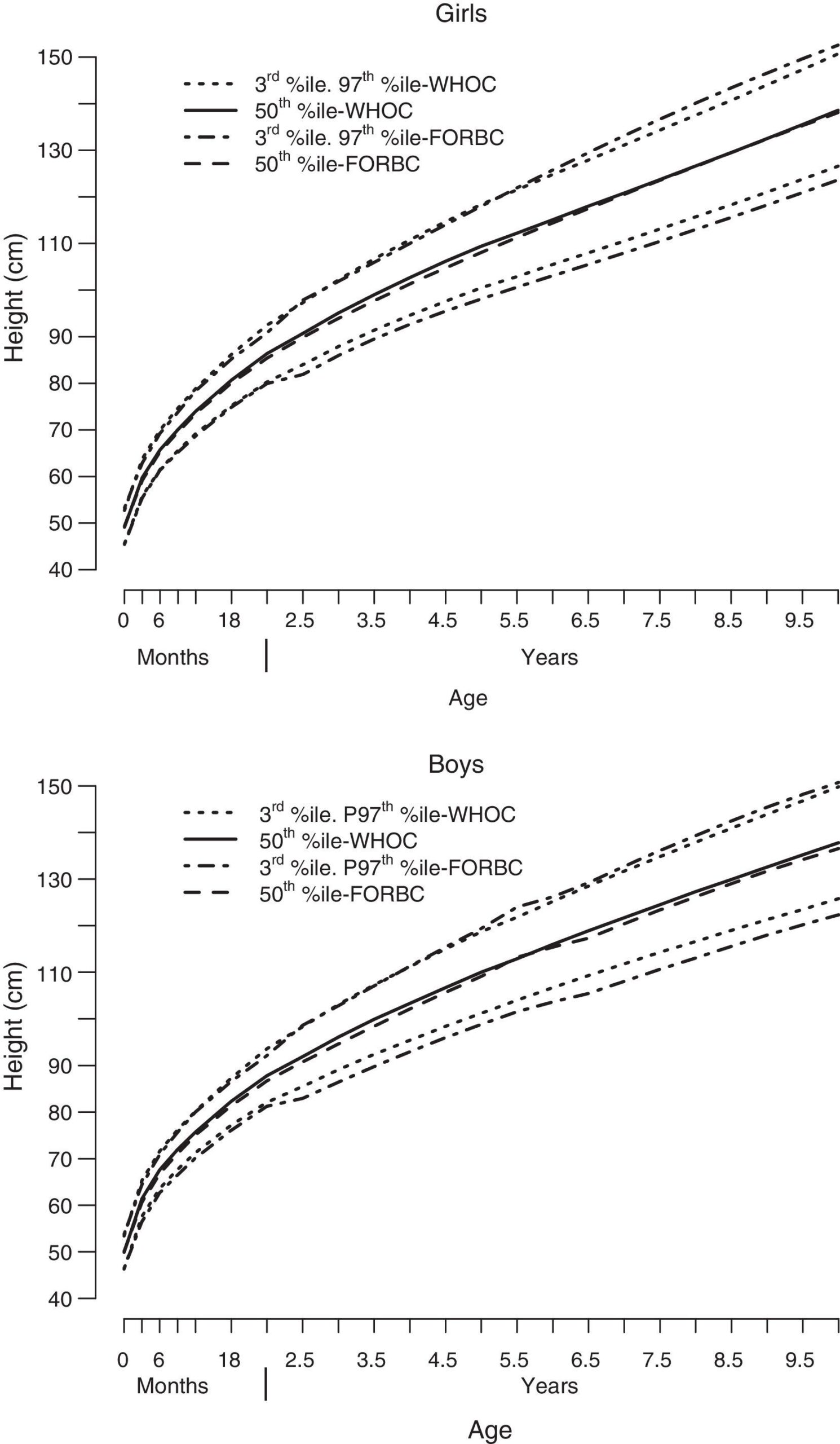
Growth Charts Impact On The Prevalence Of Nutritional Disorders